
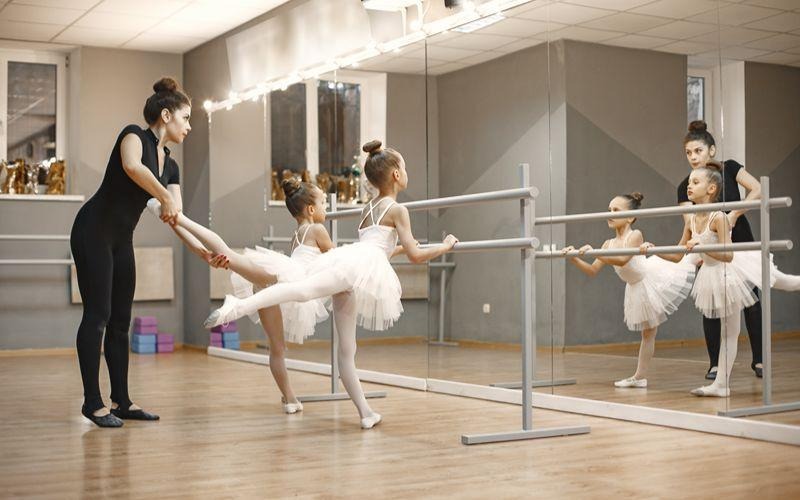
Key Takeaways
- RAD follows a structured syllabus that guides technique and progression clearly
- A shared framework helps schools maintain consistency across classes and levels
- Gradual skill development keeps lessons manageable for growing bodies
- Clear assessment criteria help parents and teachers track progress over time
Parents looking into ballet lessons in Singapore often come across the term RAD and pause, unsure what the letters really mean. Ballet training can feel confusing early on, especially when schools explain their methods in different ways, so straightforward explanations make choosing classes feel less daunting.
At its core, RAD ballet follows a structured teaching system built around gradual progress, clear technique, and age-appropriate learning. Schools adopt the syllabus because shared guidelines give teachers, students, and parents a reliable reference point throughout training.
What RAD Ballet Actually Stands For
RAD ballet links back to the Royal Academy of Dance, an international organisation founded in 1920 that created a recognised ballet syllabus now used in many countries. The syllabus lays out how technique, musical awareness, and movement quality appear over time, keeping lessons organised and consistent.
Teachers work with a clear outline for each level, so lesson content stays focused from week to week. Students benefit from predictable class flow, since skills built in sequence and movements feel familiar as ballet lessons in Singapore progress.
Familiar patterns matter, especially for younger learners who respond well to repetition. When children recognise how classes run, they often settle more quickly, listen more closely, and move with greater ease during each session.
How the Syllabus Is Structured Across Levels
Training moves through graded levels that begin with introductory classes and advance as coordination and control improve. Each level builds on earlier work, helping children strengthen technique without feeling rushed.
Schools following the Royal Academy of Dance framework use set criteria covering movement, posture, and musical timing. Clear benchmarks guide lesson pacing and keep expectations realistic for each age group, allowing teachers to focus on accuracy and control.
Steady pacing keeps motivation intact, since progress feels achievable. Small improvements become noticeable over time, which helps children’s dance classes stay encouraging without adding pressure.
Why Many Schools Choose a Syllabus-Based Structure
Consistency plays a large role in why schools choose a formal syllabus. When ballet lessons in Singapore follow shared guidelines, students receive similar foundations even if teachers change or families move between studios.
The Royal Academy of Dance syllabus gives teachers a practical way to follow progress across levels. Defined outcomes remove uncertainty and help lesson planning stay clear and purposeful.
How RAD Ballet Encourages Learning Without Pressure
RAD ballet centres on gradual improvement through repetition and clear guidance, keeping children’s dance classes calm and manageable. Movements appear step by step, allowing coordination and muscle control to develop together.
Expectations stay aligned with physical growth, so students focus on balance and control before handling complex routines. Lessons feel organised while remaining approachable, giving children space to move with confidence.
Structure paired with physical comfort keeps class participation consistent. Manageable movements allow students to stay engaged and take part from start to finish.
Exams, Assessments, and What They Mean
Exams form part of the syllabus and reflect regular classwork rather than unexpected tasks. Assessments look at posture, accuracy, musical timing, and effort during movement.
Many schools present exams as progress markers instead of high-pressure events. Assessments used by the Royal Academy of Dance help maintain teaching standards and consistency across locations.
Why Parents Appreciate a Recognised Framework
A recognised syllabus for children’s dance classes gives parents clarity when following their child’s progress. Clear guidelines explain what children practise at each stage and why certain skills receive attention.
Defined goals help parents follow development over time within RAD ballet. Clear milestones keep communication between teachers and families simple and practical. Shared expectations also make conversations about placement or next steps easier, since everyone refers to the same structure.
Choosing a School That Uses RAD Ballet
Formal assessments may not suit every child, yet a structured syllabus works well for families who value clarity and steady progression. Schools using RAD ballet usually balance technical work with age-appropriate pacing.
Contact AQ Dance today if you want to see how a syllabus-based programme works in practice, talk through class options, and decide whether RAD ballet fits your child’s learning style while keeping lessons clear and steady.