
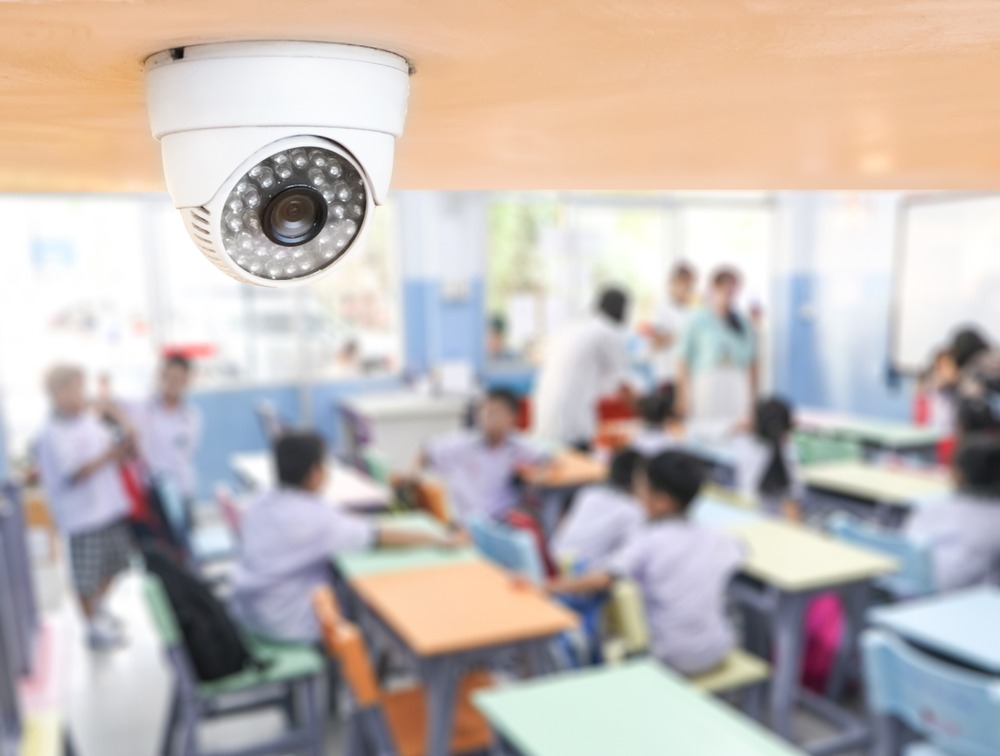
In schools, universities, and childcare centres, creating a safe and supportive learning environment is more important than ever. Alongside dedicated staff and well-designed facilities, technology plays a major role in keeping students secure. One of the most effective tools for this is CCTV (Closed-Circuit Television).
Modern CCTV systems go beyond simple security—they’re helping educators and administrators improve safety, resolve incidents, and manage large campuses more effectively.
Why Education Providers Are Turning to CCTV
1. Safety and Security
CCTV acts as both a deterrent and a monitoring tool. Cameras placed at entry and exit points help track visitors, reduce trespassing, and minimise risks such as theft or vandalism.
2. Incident Management
Whether it’s a playground accident, bullying in the schoolyard, or disputes between students, CCTV provides valuable evidence. Reviewing footage allows staff to respond quickly and fairly, while also reducing false claims.
3. Staff and Student Wellbeing
Having CCTV on campus reassures parents, teachers, and students that safety is taken seriously. This peace of mind builds trust within the school community.
4. Operational Efficiency
Large campuses—such as high schools, universities, and boarding facilities—benefit from surveillance across common areas, car parks, and sports grounds. CCTV helps staff monitor busy locations, manage traffic during drop-off/pick-up, and ensure restricted areas stay secure.
Common Use Cases of CCTV in Education
- Playgrounds and Ovals – Monitoring high-activity areas for accidents or disputes.
- Classroom Entrances – Managing who enters and exits learning spaces.
- Libraries and Computer Labs – Protecting valuable equipment from theft or misuse.
- Canteens and Common Areas – Preventing bullying and ensuring student safety during busy times.
- Car Parks and Drop-Off Zones – Improving traffic flow and enhancing parent/student security.
- After-Hours Monitoring – Protecting facilities from break-ins, vandalism, or arson.
Choosing the Right CCTV for Schools
Educational settings have unique requirements. Important considerations include:
- High-resolution cameras for clear footage of people and incidents.
- Wide dynamic range (WDR) for reliable monitoring in bright or dim lighting conditions.
- Network Video Recorders (NVRs) that allow remote viewing for principals or security staff.
- Scalability so systems can expand as campuses grow.
- Privacy compliance to ensure footage is stored and accessed responsibly.
For trusted solutions designed for Australian schools and universities, visit SecurityWholesalers.com.au.
FAQs About CCTV in Education
Q: Is CCTV in schools legal in Australia?
Yes, CCTV is legal, but schools must follow state privacy and surveillance laws. Cameras are typically placed in public areas, not in bathrooms or private staff rooms.
Q: Can parents access school CCTV footage?
Generally, footage is restricted to authorised staff. Parents may be able to request access in cases involving their child, depending on school policy.
Q: Does CCTV reduce bullying?
While it doesn’t eliminate bullying, CCTV discourages bad behaviour in monitored areas and provides clear evidence when incidents occur.
Q: Can CCTV integrate with access control systems?
Yes, many schools use CCTV alongside intercoms, door controllers, and alarm systems to build a complete security solution.
Q: How long is footage stored?
This varies, but most schools keep footage for 14–30 days, depending on storage capacity and policies.
Final Thoughts
CCTV is no longer just about catching intruders—it’s about building safer, smarter, and more efficient learning environments. For schools, universities, and childcare centres, investing in modern CCTV systems is one of the best ways to safeguard students, staff, and assets.
If you’re considering CCTV for your educational facility, explore the wide range of options available at SecurityWholesalers.com.au.