



Key Takeaways
- A thoughtful bilingual preschool approach supports communication, emotional awareness, and curiosity.
- Daily routines, language exposure, and teacher interaction shape how children respond to learning.
- Families looking at a preschool in Yishun benefit from observing classroom flow and teacher engagement.
- Small, intentional choices today influence how children approach challenges later on.
Introduction
Every child begins their learning journey differently, yet most families share the same hope. They want an environment that feels safe, supportive, and quietly inspiring. Small decisions made during the early years can shape how children view school, relationships, and their own abilities. Bilingual preschool begins to matter in practical, visible ways, especially for families exploring early education options in neighbourhood settings. Take a closer look at what makes this approach meaningful and how parents can act on it starting today.
1. Gradually Build Language Confidence Through Everyday Interaction
Language development does not happen only during structured lessons. It grows through daily conversation, shared stories, and guided play. A bilingual preschool introduces children to two languages in natural situations, allowing them to connect words with experiences rather than memorisation. Over time, children begin to switch between languages with less hesitation, which nurtures flexibility in thinking.
Teachers play a key role here. When educators model calm, clear speech and respond attentively, children feel encouraged to express themselves. This sense of being heard gradually builds confidence, which then spills into social interaction and classroom participation. Instead of focusing solely on vocabulary lists, a bilingual preschool weaves language into songs, role-play, and storytelling. These moments may seem simple, yet they lay the foundation for communication habits that follow children into primary school and beyond.
2. Craft a Daily Structure That Feels Predictable Yet Engaging
Young children thrive on routine, though they also need variety to stay curious. Effective programmes strike a balance between predictable schedules and flexible activities. Morning circles, guided play, outdoor exploration, and quiet reading time each serve a purpose.
In many cases, families searching for a preschool in Yishun notice that centres with clear daily rhythms tend to feel calmer. Children know what comes next, which reduces anxiety and allows them to focus on learning. At the same time, activities rotate enough to keep the day interesting. A bilingual preschool often integrates language exposure into these routines, so children absorb new words without feeling pressured.
This combination of consistency and variety supports emotional security. When children feel settled, they are more willing to try new tasks, interact with peers, and ask questions.
3. Observe How Teachers Guide, Not Just Instruct
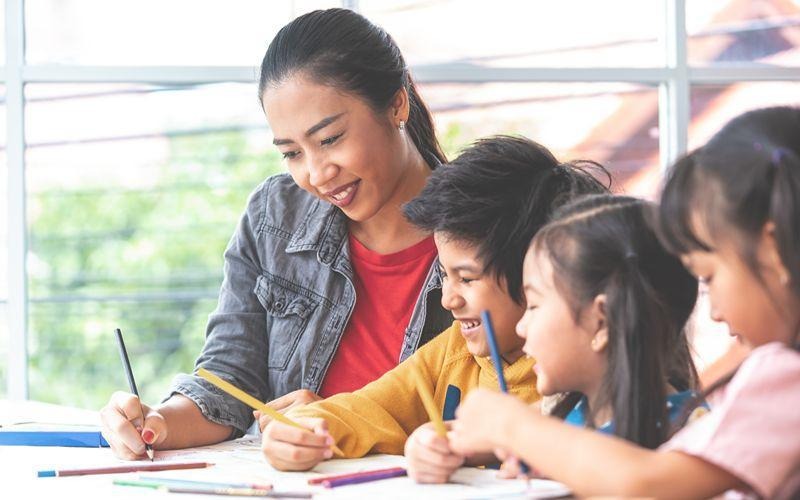
Teaching young children goes beyond delivering information. It involves observing behaviour, adjusting approaches, and offering gentle guidance. A strong bilingual preschool places emphasis on teacher-child relationships, because trust forms the backbone of meaningful learning.
When visiting a preschool in Yishun, families can pay attention to how teachers interact with children during free play and group activities. Do they kneel to speak at eye level? Do they ask open-ended questions? Do they encourage problem-solving rather than giving immediate answers? These small actions reveal a great deal about the learning culture.
Teachers who guide rather than direct help children develop independence. Over time, children begin to manage simple conflicts, attempt tasks on their own, and express feelings with greater clarity. This sense of capability grows naturally within a supportive bilingual preschool setting.
4. Select an Environment That Encourages Curiosity
Curiosity fuels learning. When children feel comfortable exploring, touching, building, and experimenting, they develop a genuine interest in the world around them. A well-designed bilingual preschool provides accessible materials, varied activity corners, and opportunities for hands-on discovery.
Families evaluating a preschool in Yishun can look for spaces that invite exploration rather than restrict it. Art areas, building blocks, reading corners, and sensory tables all signal that curiosity is welcome. Language exposure blends into these spaces as teachers introduce new words during play, reinforcing understanding in context.
This type of environment helps children associate learning with enjoyment. Instead of viewing school as a place of pressure, they begin to see it as a place of possibility.
5. Involve Families as Part of the Learning Journey
Children benefit when home and school work together. A bilingual preschool that communicates regularly with families creates continuity between classroom experiences and home life. Simple updates about activities, themes, and language focus allow parents to reinforce learning through conversation and shared reading.
For families connected to a preschool in Yishun, this partnership can feel especially valuable. Neighbourhood-based centres often build close relationships with parents, which strengthens trust. When children sense that adults in their lives are aligned, they feel more secure and supported.
Over time, this shared approach nurtures confidence. Children learn that their efforts matter and that learning extends beyond the classroom walls.
Conclusion
Choosing a bilingual preschool is less about chasing trends and more about recognising what children truly need at the start of their education. Thoughtful language exposure, steady routines, attentive teachers, and curiosity-friendly spaces work together to shape how children engage with learning. For families exploring a preschool in Yishun, paying attention to these everyday elements can make the decision clearer. Small, intentional choices today can influence how children approach communication, relationships, and challenges as they grow.
Visit Apple Tree Playhouse to learn how their bilingual preschool environment supports children and to explore enrolment options at their preschool in Yishun.