
Key Takeaways
- Technology enhances teaching in an A-math tuition centre without replacing tutor guidance.
- Data and analytics help tutors in a math tuition centre in Singapore address gaps earlier and more precisely.
- Visual tools make abstract A-math concepts easier to understand and apply.
- Blended learning extends structured practice beyond lessons while keeping students aligned with the syllabus.
- Timely, technology-supported feedback builds confidence and consistency in upper secondary mathematics.
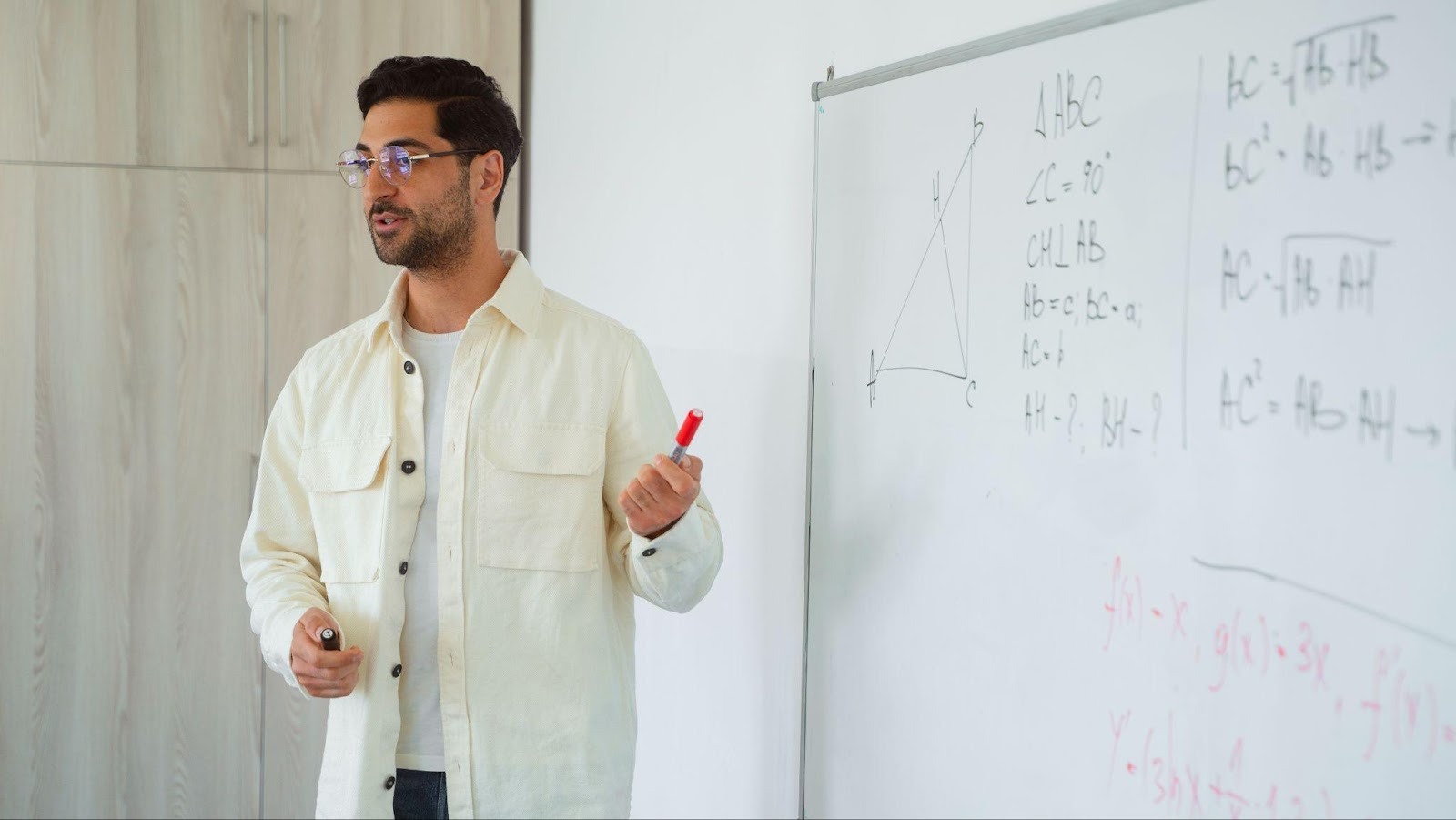
Walk into an A-math tuition centre today, and you might still see familiar scenes: whiteboards filled with algebra, students working through practice questions, and teachers explaining concepts step by step. Technology is reshaping how learning is delivered, understood, and sustained in math tuition centres in Singapore to support upper secondary students facing increasingly complex syllabi. This shift is about using technology to refine teaching methods, personalise learning, and make mathematical thinking more accessible.
Technology as a Learning Multiplier, Not a Replacement
One common concern is whether digital tools dilute the quality of teaching. In reality, when used carefully, technology acts as a learning multiplier. In an A-math tuition centre, digital platforms help tutors track student progress with greater precision, allowing tutors to respond directly to individual strengths and gaps. Adaptive learning systems can highlight whether a student struggles with quadratic expressions or trigonometric identities long before exam pressure sets in. In a math tuition centre in Singapore, this approach complements structured teaching rather than overshadowing it, ensuring that human guidance remains central.
Data-Driven Insights That Shape Smarter Teaching
Technology has introduced a quiet but powerful shift: data-informed instruction. Instead of relying solely on observation or test results at the end of a term, tutors can now review patterns across assignments, quizzes, and revision exercises. Rather than repeating content they already understand, lessons can prioritise problem-solving techniques or conceptual clarity where it is needed most. This efficiency supports a deeper understanding without increasing workload unnecessarily.
Visualisation Tools That Demystify Abstract Concepts
Mathematics often feels difficult because many concepts are abstract. Graphs, transformations, and functions can be hard to picture when explained verbally alone. Technology bridges this gap through dynamic visualisation tools that bring ideas to life. In an A-math tuition centre, interactive graphs and simulations allow students to see how equations behave when variables change. This visual reinforcement helps learners move beyond memorisation towards comprehension.
Blended Learning and Structured Flexibility
Another change technology enables is blended learning. This does not mean students are left to self-study endlessly online. Instead, tutors use digital platforms to extend learning beyond the classroom in a structured way. In an A-math tuition centre, this flexibility helps manage different learning speeds while keeping everyone aligned with curriculum goals. For families considering a math tuition centre in Singapore, blended learning can offer reassurance that learning continues meaningfully between sessions.
Feedback That Is Timely and Actionable
Traditional feedback often arrives days or weeks after an assignment is completed. Technology shortens this loop. Automated checks and tutor-reviewed digital submissions mean students receive feedback while concepts are still fresh. In an A-math tuition centre, timely feedback helps students correct misconceptions early, reducing frustration and preventing small errors from becoming entrenched habits. This responsiveness is particularly valuable in a math tuition centre in Singapore, where examination readiness depends on precision and consistency over time.
Supporting Independent Thinking Without Losing Structure
One of the understated benefits of technology is how it supports independent thinking. Digital resources encourage students to explore alternative solution methods, test ideas, and reflect on mistakes. Within an A-math tuition centre, tutors guide this exploration, ensuring students remain aligned with syllabus expectations and assessment standards. In a math tuition centre in Singapore, this balance helps students become more confident problem-solvers without losing sight of exam requirements.
Technology and Equity in Learning
Technology also has implications for accessibility. Recorded explanations, supplementary digital notes, and structured online practice mean students can revisit challenging topics without feeling left behind. For an A-math tuition centre, such tools level the playing field by offering consistent support beyond classroom hours. In a math tuition centre in Singapore, where schedules are often tight, this accessibility can reduce stress while maintaining academic rigour.
Why Technology Matters More in Upper Secondary Mathematics
Upper secondary mathematics is often where students decide whether they “can” or “cannot” do maths. Topics become more abstract, problem-solving becomes more layered, and time pressure increases. Technology, when thoughtfully integrated, supports this transition by reinforcing clarity and structure. In an A-math tuition centre, technology helps tutors scaffold learning more effectively, ensuring students grasp foundations before advancing. For parents evaluating a math tuition centre in Singapore, understanding how technology supports teaching offers a more realistic picture of modern tuition quality.
Choosing Progress Over Hype
The most effective A-math tuition centre is one that blends experienced instruction with digital tools that enhance clarity, feedback, and engagement. For families exploring a math tuition centre in Singapore, the real question is not whether technology is present, but whether it meaningfully supports understanding and confidence. When used with intention, technology steadily reshapes how students experience mathematics, making learning more responsive, transparent, and sustainable.
If you are curious about how a modern, technology-aware approach to upper secondary mathematics works in practice, enquire at CalibreMath today.